
Hard question, important answer: if something happens to you, who cares for your child—and how will doctors and schools know what to do tomorrow morning? This blog from a Fort Collins divorce attorney team practicing modern family law explains three pillars of Colorado planning: (1) tightening your current parenting orders and assembling a “just-in-case” caregiver file, (2) formally nominating a guardian for a minor, and (3) setting up medical decision-making authority for you (and, indirectly, your child) in a crisis. You’ll see how objections are handled, when a mature minor must consent, and which forms help everyone act fast.
TL;DR
- Review Parenting Orders and Build a Caregiver File — smooth handoffs start with clear paperwork.
- Nominate a Guardian in CO — parents can appoint by will or signed writing; court confirmation follows.
- Objections & Minor Consent — relatives may object; children 12+ may need to consent.
- Medical Decisions & Proxies — use a Medical Durable POA; without one, Colorado’s proxy rules apply.
Review Your Parenting Orders and Build a “Just-in-Case” File for Caregivers
Start with what you already have. Make sure your allocation of parental responsibilities order reflects today’s reality (school pick-ups, medical decision-making, travel). Add practical tools: a one-page emergency plan, copies of IDs/insurance, school and pediatrician contacts, medication lists, and any therapy/IEP notes. A divorce attorney can align your language with what Larimer/Weld judges expect and add contingencies (temporary caregiver authority, exchange locations, and notice requirements) to prevent confusion if a crisis hits. Local self-help materials and practitioner guides emphasize that parenting orders control day-to-day decision-making, so clarity here reduces emergencies later.
Nominating a Guardian for a Minor in Colorado (Will or Signed Writing)
Colorado lets a parent appoint a guardian for a minor by will or other signed writing. The written appointment can include limits on the guardian’s powers, and it becomes effective after the parent’s death or adjudication of incapacity and court confirmation. Courts then honor the nomination unless someone proves a better placement is necessary for the child’s best interests. A nominated guardian typically files an Affidavit of Acceptance (JDF 821) and supporting documents so the court can confirm the role quickly.
Pro tip from a divorce attorney grounded in modern family law: name alternates, keep contact info current, and tell your nominees about schools, doctors, allergies, and any limits you want (e.g., out-of-state moves). This is one of the most loving checklists you can leave your family.
Want a Colorado-compliant nomination plus a caregiver packet your sitter can actually use? Talk with a Fort Collins attorney at Alexander & Associates. Schedule an appointment.
What If Someone Objects? How Colorado Handles Objections and Minor Consent
Relatives sometimes disagree about who should step in. Colorado law expressly addresses objections to a parental appointment and gives courts a clear process. Importantly, if your child is twelve (12) or older, the child’s consent to the guardian’s appointment may be required; judges weigh that voice alongside best-interests factors. If conflict persists—or if no nomination exists—the court can appoint a guardian after finding that appointment is in the child’s best interest and that a statutory basis exists (for example, parents consent or are unable/unwilling to exercise parental rights).
A divorce attorney can anticipate hot spots before they explode: documenting why you chose a particular guardian, addressing cultural or religious preferences, and clarifying how the nominee will coordinate with the surviving parent (if any).
Medical Crises: Medical Durable POA, Proxy Decision-Makers, and Why This Matters for Parents
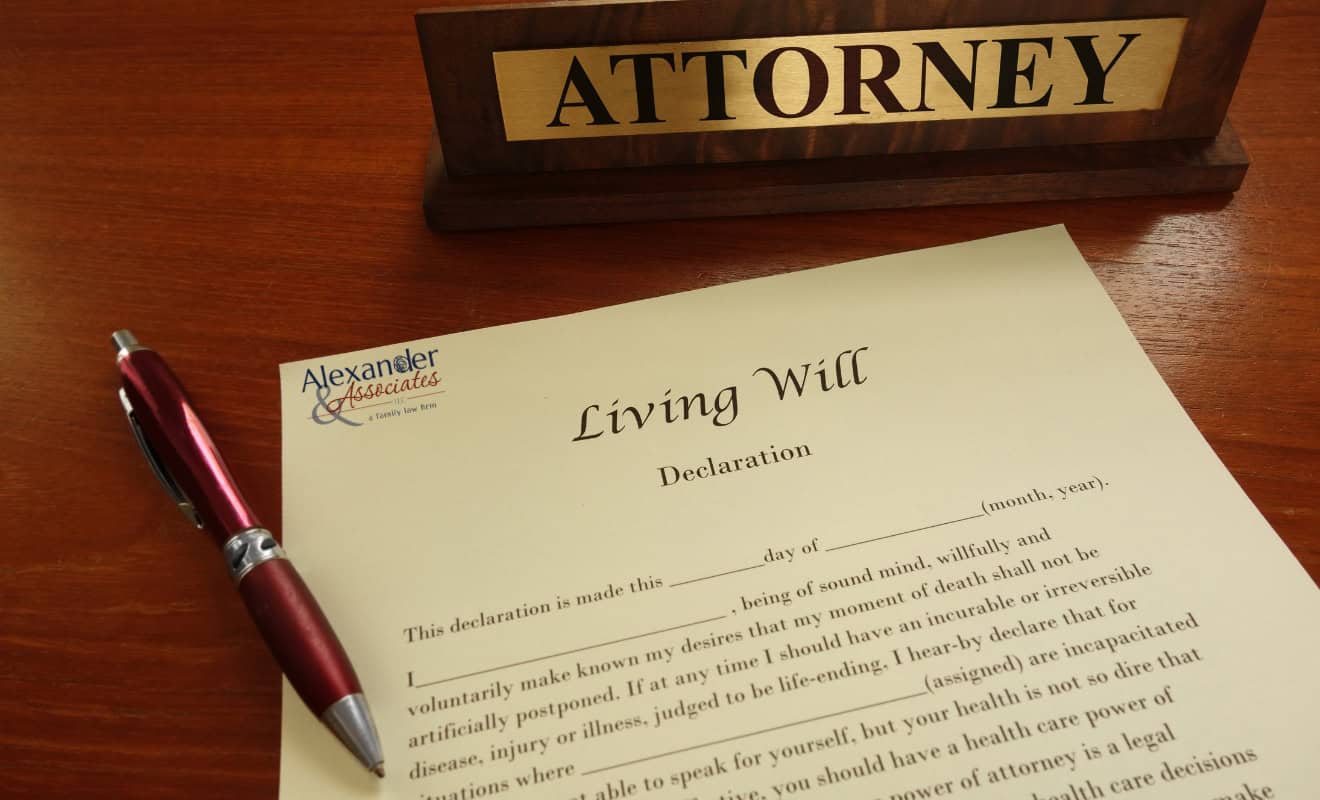
For your health care, the cleanest plan is a Medical Durable Power of Attorney (MDPOA) naming an agent to act if you can’t. Colorado statute confirms an MDPOA can authorize consent/refusal of treatment and directs the agent to follow your known wishes (or your best interests if wishes aren’t known). Keep this document with your caregiver file and share it with your doctor.
If no MDPOA exists, Colorado’s proxy decision-maker law lets an attending physician determine that you lack decisional capacity and then seek a consensus-chosen proxy from interested persons (spouse/partner, parents, adult children, close friends). This fills the gap—but it can be messy when relatives disagree, which is why we urge every parent to sign an MDPOA now. State resources and hospitals provide plain-language guidance to help you complete these forms.
For your child’s medical care, your existing parenting orders govern who may consent. In an emergency, when a non-parent caregiver is with the child, a short caregiver consent letter (and your orders) helps clinics treat promptly while they reach the legal decision-maker. Our child custody attorneys can bundle this with your guardian nomination so everyone—from coaches to grandparents—has what they need.
A Clear Plan Reduces Confusion—and Helps Protect Kids During a Crisis
The calm path is simple: tighten your parenting orders, nominate a guardian in a will or signed writing, and sign a Medical Durable POA so adults can make decisions without delay. If objections arise, Colorado courts have a roadmap—and older children may have a formal say. Partner with a child custody attorney who practices modern family law to convert your intentions into enforceable, Colorado-compliant documents. Our Fort Collins attorney team can build your “just-in-case” file this week, so your family is ready. Reach out to the Alexander & Associate team to receive the support you need.


0 Comments